Table of Contents
- 1. Oura acquires Counsel Health to enhance health tech integration
- 2. What is the significance of Oura acquiring Counsel Health for $625 million?
- 3. When is the acquisition of Counsel Health expected to close?
- 4. How does Counsel Health’s AI chatbot enhance Oura’s services?
- 5. What are the goals outlined by Oura’s CEO regarding the acquisition?
- 6. Who will lead the clinical AI efforts at Oura after the acquisition?
- 7. Will Counsel Health continue to operate independently after the acquisition?
- 8. What is the current network size of Counsel Health’s on-demand physicians?
- 9. Conclusion on Oura’s Acquisition of Counsel Health
- 9.1 Strategic Implications for Oura
- 9.2 Future of Integrated Healthcare
Oura acquires Counsel Health to enhance health tech integration
- Oura agreed to acquire medical AI chatbot startup Counsel Health for $625 million, after adding Counsel’s chatbot to the Oura app earlier in 2026, according to The Verge.
- Oura expects the deal to close before the end of the year.
- Oura CEO Tom Hale told Bloomberg the strategy is to connect wearables, clinical AI, and access to doctors based on biometric insights.
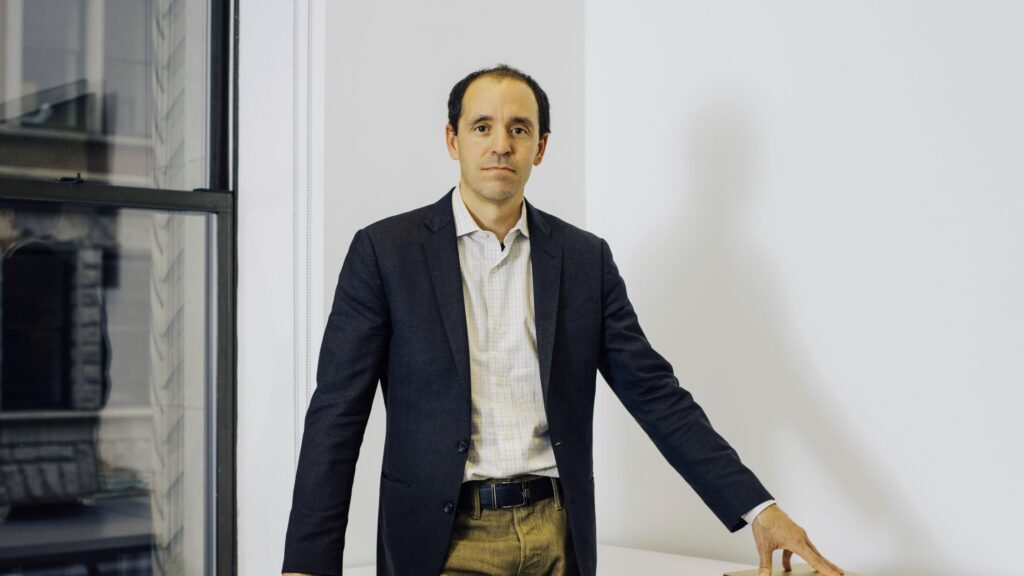
- Counsel Health CEO Muthu Alagappan will become Oura’s chief clinical AI officer, and Counsel’s 70 employees will join Oura.
Scope note: Reported details in this article are attributed to The Verge and Bloomberg; any discussion of “what it signals” or “why it matters” is interpretive analysis based on those reports.
What is the significance of Oura acquiring Counsel Health for $625 million?
Oura’s agreement to buy Counsel Health for $625 million is a clear signal that the smart-ring maker wants to move beyond tracking and into care delivery—turning biometric data into something closer to a clinical workflow. Oura disclosed the deal alongside its quarterly earnings and framed it as the next step after it had already integrated Counsel Health’s AI chatbot into the Oura app earlier in 2026, according to The Verge.
Counsel Health describes itself as an “AI-native primary care company,” using an app to deliver AI-generated responses and insights based on health data reported from wearables, and then escalating to a conversation with one of its in-house physicians when appropriate, according to The Verge. That model matters for Oura because it creates a path from “your ring noticed something” to “here’s what to do next,” without forcing users to leave the app to find care.
The price tag also underscores how valuable Oura believes that bridge is. Rather than treating its ring as a standalone consumer gadget, Oura is effectively buying a clinical interface—AI triage plus physician access—that can make the ring’s data more actionable for preventive questions, episodic issues, and longer-running conditions, as described in The Verge’s coverage of Oura’s announcement and in comments from CEO Tom Hale reported by Bloomberg.
When is the acquisition of Counsel Health expected to close?
Oura said it expects the acquisition to close before the end of the year, according to The Verge. The company did not provide a more specific date in that report, but the timeline suggests Oura is aiming for a relatively fast integration given that Counsel’s chatbot had already been added to the Oura app earlier in 2026.
In practical terms, “before the end of the year” is significant because it implies Oura wants to lock in organizational and product alignment quickly—especially since the acquisition includes Counsel’s staff and a new executive role for Counsel’s CEO. The Verge reported that Counsel has 70 employees who will join Oura as part of the deal, which typically requires operational planning around compliance, clinical operations, and product roadmaps.
The expected closing window also matters for enterprise partners. Oura said Counsel will continue offering its medical AI platform outside of Oura’s user base through new and existing enterprise partners, including health plans, health systems, consumer health organizations, and employers, according to The Verge. A near-term close reduces uncertainty for those partners about whether Counsel’s platform will remain supported and sold as a standalone offering.
How does Counsel Health’s AI chatbot enhance Oura’s services?
Counsel Health’s chatbot adds a conversational, care-oriented layer on top of Oura’s biometric tracking—turning wearable data into answers, next steps, and, when needed, a handoff to a clinician. Counsel uses its app to deliver AI-generated responses and insights based on users’ health data reported from wearables, and then can proceed to a conversation with one of its in-house physicians, according to The Verge.
For Oura users, that means medical questions can be addressed directly inside the Oura app, with the chatbot drawing on biometric data from wearables in its answers, according to The Verge. The Verge also characterized the experience as potentially changing how a “doctor visit” begins: instead of starting from memory and symptoms alone, it could start with a readout of ring data.
This is not just a generic chatbot bolted onto a wellness app. The value proposition described by Oura and Counsel is that the AI can interpret user-reported and wearable-derived signals, then connect the user to a real doctor from within the same product experience, according to The Verge. In a market crowded with trackers and dashboards, that “insight-to-action” loop is the differentiator Oura is buying.
What are the goals outlined by Oura’s CEO regarding the acquisition?
Oura CEO Tom Hale described the acquisition as part of a plan to connect wearables, clinical AI, and access to doctors based on insights from biometric data—both to answer questions and to monitor ongoing conditions, in an interview with Bloomberg.
In other words, Oura’s stated goal is not simply to provide more charts or more notifications. It is to create a pathway where biometric signals can trigger guidance, triage, and clinical follow-up. Counsel Health’s chatbot can connect Oura users to a real doctor directly from the app and draw on users’ biometric data from their wearables in its answers to medical questions, according to The Verge—a capability that aligns with Hale’s emphasis on connecting data to care.
Oura also outlined three focus areas for the combined effort: preventative care, acute care for episodic health concerns, and specialty and chronic care for areas such as reproductive and cardiometabolic health, according to The Verge. Those categories matter because they span the full spectrum from “I want to stay well” to “something feels off today” to “I’m managing a long-term condition,” suggesting Oura is positioning itself as a broader health services platform rather than a single-purpose wearable brand.
Who will lead the clinical AI efforts at Oura after the acquisition?
Counsel Health CEO Muthu Alagappan will become Oura’s chief clinical AI officer, according to The Verge. That title is a strong indicator that Oura expects clinical AI—AI systems designed to operate in a healthcare context, with physician involvement—to become a core competency rather than a side feature.
The leadership move also provides continuity for Counsel’s product direction. Counsel Health positions itself as an “AI-native primary care company,” and its model blends AI-generated responses with escalation to in-house physicians, according to The Verge. Putting Alagappan into an executive role focused on clinical AI suggests Oura wants that hybrid approach to remain central as it scales inside Oura’s ecosystem.
The Verge also reported that Counsel’s 70 employees will join Oura as part of the deal. While Oura has not detailed how teams will be reorganized, the combination of a dedicated clinical AI officer and a full team transfer implies Oura is acquiring not only software, but also the people and processes required to operate an AI-plus-clinician service inside a consumer health product.
Will Counsel Health continue to operate independently after the acquisition?
Yes—at least in the sense that its platform will not be limited to Oura users. Oura said Counsel will continue offering its medical AI platform outside of Oura’s user base through new and existing enterprise partners, including health plans, health systems, consumer health organizations, and employers, according to The Verge.
That detail is important because it suggests Oura is not treating Counsel purely as an internal feature team. Instead, Oura appears to be maintaining Counsel’s enterprise-facing business lines while also embedding Counsel’s capabilities into the Oura app. The Verge reported that Oura added Counsel’s AI chatbot to its app earlier in 2026, and the acquisition follows that integration.
Operationally, “continue offering” implies Counsel’s technology will remain available as a platform that can be sold or deployed beyond Oura’s direct consumer membership. Strategically, it also gives Oura a second distribution channel: consumer wearables on one side, and enterprise partnerships on the other—both powered by the same AI-and-physician model described by Counsel and reported by The Verge.
What is the current network size of Counsel Health’s on-demand physicians?
Counsel Health’s network of on-demand physicians is currently “made up of about 50 people,” according to Counsel Health CEO Muthu Alagappan in comments reported by Bloomberg and cited by The Verge. Bloomberg also reported, via Alagappan, that Counsel is planning to expand that network.
That physician footprint is a key operational detail because Counsel’s model is not purely automated. The Verge reported that Counsel delivers AI-generated responses and insights based on wearable-reported health data, and then can proceed to a conversation with one of its in-house physicians. A network of about 50 on-demand doctors sets a baseline for how much real-time clinical capacity Counsel can provide as Oura pushes deeper into care-oriented services.
It also helps explain why Oura’s acquisition is more than a software purchase. Oura is buying a working clinical service layer—AI plus physicians—that can be accessed from within the Oura app, according to The Verge. If Oura’s goal is to connect biometric insights to medical access at scale, as Hale described to Bloomberg, expanding that physician network becomes a practical necessity, not just a growth ambition.
Conclusion on Oura’s Acquisition of Counsel Health
Strategic Implications for Oura
Oura’s $625 million agreement to acquire Counsel Health positions the company to link continuous biometric monitoring with AI-guided support and clinician access in a single product flow. The core mechanism—AI-generated responses grounded in wearable data, with escalation to in-house physicians—was described by Counsel and reported by The Verge, and it aligns with Oura CEO Tom Hale’s plan, told to Bloomberg, to connect wearables, clinical AI, and access to doctors.
The deal also brings people and leadership into Oura: Counsel’s 70 employees will join, and CEO Muthu Alagappan will become chief clinical AI officer, according to The Verge. That combination suggests Oura is building a durable clinical AI capability rather than treating healthcare as a short-term feature.
Future of Integrated Healthcare
Oura expects the acquisition to close before the end of the year, according to The Verge, and it says Counsel will continue offering its platform to enterprise partners such as health plans, health systems, consumer health organizations, and employers. If that dual approach holds—consumer integration plus enterprise distribution—Oura could end up operating at the intersection of personal biometrics and clinical access, with “doctor visits” increasingly starting from wearable readouts, as The Verge put it.

I am Martín Weidemann, a digital transformation consultant and founder of Weidemann.tech. I help businesses adapt to the digital age by optimizing processes and implementing innovative technologies. My goal is to transform businesses to be more efficient and competitive in today’s market.
LinkedIn