Table of Contents
- 1. Anthropic acquires Stainless to enhance dev tools
- 2. Overview of Anthropic’s Acquisition of Stainless
- 3. Details of the Acquisition Deal
- 4. Impact on Competitors in the AI Space
- 5. Stainless’s Role in the AI Developer Ecosystem
- 6. Future of Stainless Products Under Anthropic
- 7. Strategic Implications for Anthropic
- 8. The Future of AI Development Post-Acquisition
- 8.1 Implications for Developer Ecosystems
- 8.2 Strategic Moves in the AI Landscape
Anthropic acquires Stainless to enhance dev tools
Anthropic Acquires Stainless, Winds Down
- Confirmed by Anthropic (via TechCrunch): Anthropic acquired Stainless; deal terms were not disclosed.
- Confirmed by Anthropic (via TechCrunch): Anthropic will wind down all hosted Stainless products, including the SDK generator.
- Confirmed by Anthropic (via TechCrunch): Existing Stainless customers keep ownership of SDKs already generated and have rights to modify and extend them.
- Reported (not disclosed): The Information reported Anthropic was in talks to buy Stainless for more than $300 million.
Overview of Anthropic’s Acquisition of Stainless
Anthropic has acquired Stainless, a developer tools startup best known for automating the creation and upkeep of software development kits (SDKs) from API specifications. The announcement matters less because it’s another M&A headline in AI—and more because Stainless had become a quiet piece of shared infrastructure across the industry, used by major players that compete directly with Anthropic, as well as Cloudflare.
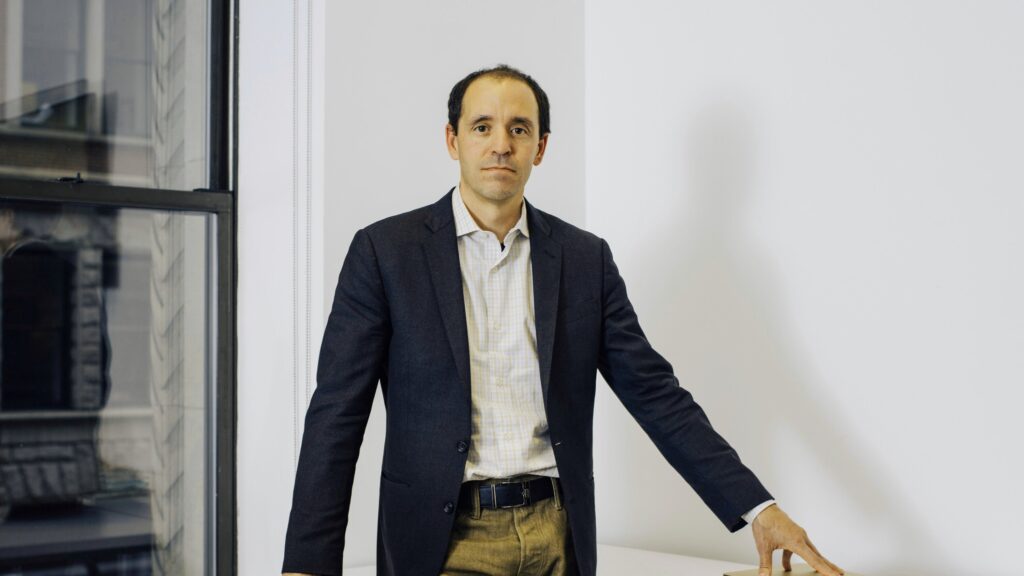
Stainless was founded in 2022 by Alex Rattray, a former Stripe engineer, and built its reputation by taking a problem most API companies know too well—SDK maintenance—and turning it into something closer to a pipeline. Instead of teams hand-editing client libraries every time an API changes, Stainless’s software could generate production-ready SDKs and keep them updated as the underlying API evolved.
Anthropic says Stainless has powered the generation of every official Anthropic SDK since the earliest days of its API.
Keeping SDKs in Sync
If you don’t live in API land, it helps to translate what Stainless actually “does” in practice:
- An API is the contract; an SDK is the developer-friendly wrapper most teams actually use day-to-day.
- When an API changes quickly (new endpoints, renamed fields, new auth patterns), SDKs can lag—creating broken integrations or missing features.
- Stainless’s pitch was to turn an API specification into production-ready SDKs across languages, and keep those SDKs updated as the spec evolves.
That’s why a small dev-tools company could become shared infrastructure for multiple competing AI platforms.
The immediate consequence is structural: a tool that functioned as a neutral layer for multiple AI labs is now owned by one of them—and Anthropic has already said the hosted Stainless products will be wound down, meaning the “shared” part of that infrastructure is ending.
Details of the Acquisition Deal
Anthropic did not disclose the terms of the acquisition. Still, reporting prior to the announcement indicated Anthropic was in talks to buy Stainless for more than $300 million.
| Deal detail | Status | What’s known (and from where) |
|---|---|---|
| Acquisition happened | Confirmed | Anthropic announced it acquired Stainless (reported by TechCrunch). |
| Purchase price | Reported (not disclosed) | The Information reported talks for “more than $300 million”; Anthropic did not confirm a number (as cited by TechCrunch). |
| Hosted Stainless products | Confirmed | Anthropic told TechCrunch it will wind down all hosted Stainless products, including the SDK generator. |
| Customer rights to existing SDKs | Confirmed | Anthropic said customers own SDKs already generated and have full rights to modify and extend them (via TechCrunch). |
| Investors | Confirmed | Stainless is backed by Sequoia Capital and Andreessen Horowitz (via TechCrunch). |
What’s confirmed vs. what’s reported: Anthropic has confirmed the acquisition and said it will wind down all hosted Stainless products, including its SDK generator, while customers keep ownership of SDKs already generated and retain rights to modify and extend them. The “more than $300 million” figure comes from external reporting rather than disclosed deal terms. Stainless is backed by Sequoia Capital and Andreessen Horowitz, underscoring that this wasn’t a small acquihire tucked into a product org; it was a venture-backed company positioned as a core developer-infrastructure provider.
What Anthropic has been explicit about is what happens next for Stainless’s commercial footprint: the company told TechCrunch it will wind down all hosted Stainless products, including its SDK generator.
For existing Stainless customers, Anthropic’s position is that they will still own the SDKs they’ve generated to date, and they will have full rights to modify and extend them.
Rattray, in a press release, framed the acquisition as a continuation of the work Stainless was built to do: giving SDKs the same level of care as the APIs they wrap, and doing that work “on the platform where it matters most,” referring to Claude and Anthropic’s developer ecosystem.
Impact on Competitors in the AI Space
The acquisition lands as a competitive move because Stainless wasn’t just another internal productivity tool. It was widely used by rival AI labs, including OpenAI and Google, and by infrastructure players like Cloudflare. By bringing Stainless in-house and winding down its hosted products, Anthropic effectively removes a common supplier from the market—one that helped competitors ship and maintain official SDKs without carrying the full operational burden themselves.
| Competitor / ecosystem player | What they likely lose when hosted Stainless winds down | What they still keep | Practical next step (typical) |
|---|---|---|---|
| OpenAI | A hosted pipeline that auto-regenerates/updates SDKs as the API changes | Existing generated SDK codebases and the right to modify/extend them | Stand up an internal SDK generation + release pipeline, or adopt an alternative toolchain. |
| Same: neutral hosted automation for SDK upkeep | Existing generated SDKs | Rebuild or replace the automation layer; validate release cadence across languages. | |
| Cloudflare | Same: automatic updates and hosted generation | Existing generated SDKs | Shift maintenance to internal teams; prioritize API-change tracking and regression tests. |
| Other AI API providers (e.g., Replicate, Runway) | Same: reduced “SDK maintenance tax” via hosted automation | Existing generated SDKs | Decide whether to maintain manually, build tooling, or move to open-source generators. |
The practical impact is straightforward: competitors that relied on Stainless for SDK generation and ongoing updates will need alternatives. They can maintain the SDKs they already generated, but they lose access to the hosted system that automated updates as APIs changed. That shifts work back onto internal teams or forces a search for replacement tooling.
There’s also a strategic dimension beyond engineering hours. SDKs are often the “front door” to an API: they shape how developers authenticate, structure requests, handle errors, and adopt new features. If Stainless helped standardize and accelerate that layer across the industry, its removal could lead to more fragmentation—different SDK quality levels, different update cadences, and more divergence in how quickly platforms can expose new capabilities to developers.
For companies building AI agents—systems designed to connect to external software and complete tasks on behalf of users—the SDK layer is not cosmetic. It’s connective tissue. Stainless’s tooling was described as an easy way to build and maintain those connections. With that tooling now exclusive to Anthropic, rivals may face a period of catch-up as they rebuild pipelines that Stainless previously automated.
Stainless’s Role in the AI Developer Ecosystem
To understand why Stainless became so widely adopted, it helps to focus on what it automated: the creation and maintenance of SDKs—the libraries developers use to interact with APIs. In fast-moving API businesses, SDKs can become a tax. Every new endpoint, parameter, or response shape can require updates across multiple languages, plus documentation and release management. Stainless targeted that pain directly.
Rattray developed software that could take API specifications and turn them into production-ready SDKs across multiple programming languages, including Python, TypeScript, Kotlin, Go, and Java. The multi-language aspect mattered because AI platforms tend to serve broad developer audiences: startups prototyping in Python, web teams in TypeScript, mobile and backend teams in Kotlin or Java, and infrastructure-heavy users in Go.
But the bigger differentiator was maintenance. Stainless’s platform automatically updated SDKs as APIs changed, eliminating the time-consuming process of manually maintaining them. That’s not just convenience; it’s risk reduction. Out-of-date SDKs can break integrations, create subtle bugs, or slow adoption of new features because developers don’t see them reflected in the tools they actually use.
Automating SDK Updates from APIs
A simple way to see the leverage point Stainless sat on:
1) API spec changes (new endpoints/fields, auth tweaks, error shapes)
2) Generation step turns the spec into SDK code (per language)
3) Update loop keeps SDKs in sync as the spec evolves (diffs, regen, tests)
4) Release pipeline ships new versions (changelog, semver, docs)
Stainless compressed steps 2–4 into a repeatable system—so “API change” didn’t automatically mean “weeks of SDK catch-up.”
This is why Stainless rose to prominence in the emerging AI industry. Companies like Anthropic, OpenAI, Google, Replicate, Runway, and Cloudflare are building systems that need reliable, well-maintained interfaces—especially as they push toward agentic workflows that depend on consistent API contracts. Stainless sat in the middle of that, translating evolving API specs into stable developer experiences.
Now, the ecosystem loses a shared mechanism for keeping that translation layer current.
Future of Stainless Products Under Anthropic
Anthropic’s stated plan is clear: it will wind down all hosted Stainless products, including the SDK generator. That means Stainless, as many customers experienced it, will stop being available as a hosted offering to the broader market.
For existing customers, Anthropic has emphasized continuity of ownership rather than continuity of service. Customers will still own the SDKs they’ve generated to date, and they have full rights to modify and extend them. Practically, that implies teams can keep shipping their current SDK codebases, but they’ll need to take over the update loop that Stainless previously automated—especially as their APIs evolve.
Transition Timeline for Teams
A practical transition timeline for teams affected by the hosted wind-down:
- Now: Inventory what you have (which repos/SDKs were generated, which languages, where the spec lives, how releases are cut).
- Before the hosted service ends: Pull down everything you’ll need locally (generated code, templates/config, build scripts) and confirm you can run tests and publish releases without the hosted pipeline.
- First API change after wind-down: Treat it as a drill—update the spec, update the SDKs, run CI, publish, and measure how long it takes.
- Ongoing: Add checkpoints for (a) API change detection, (b) regression tests for auth/errors, and (c) a predictable release cadence so SDKs don’t silently drift.
For Anthropic itself, the picture is different. The acquisition formalizes and secures a capability Anthropic already depended on. Instead of relying on an external vendor—one that also served competitors—Anthropic can now integrate the tooling more tightly into its own release processes and developer platform priorities.
Rattray’s statement suggests the Stainless team will continue doing the same kind of work, but now aligned to Anthropic’s platform: “The team gets to keep doing the work we love, on the platform where it matters most.” Read literally, that points to a future where Stainless’s core technology continues, but its benefits accrue primarily—or exclusively—to Claude’s ecosystem.
The near-term outcome for the market is a transition period: existing SDKs remain, but the hosted automation layer disappears, and competitors must decide whether to build, buy, or open-source replacements.
Strategic Implications for Anthropic
Anthropic’s acquisition of Stainless is a bet that developer infrastructure is not secondary to model capability—it’s part of the competitive surface area. In AI, the model may be the headline, but the SDK is often the handshake: it determines how quickly developers can adopt features, how reliably they can integrate, and how confidently they can ship production systems.
By acquiring Stainless and winding down its hosted products, Anthropic gains two advantages at once. First, it secures a critical internal capability that already underpinned its official SDKs. Second, it removes a key infrastructure supplier from competitors’ toolchains. Even if rivals retain their existing generated SDKs, they lose the automated update mechanism that reduced ongoing maintenance costs and helped keep SDKs aligned with fast-changing APIs.
This matters more as AI companies push into agents—systems that connect to external software and execute tasks. Those systems depend on stable, well-maintained interfaces. Stainless’s tooling was described as particularly valuable to companies building AI agents that can connect to external software and complete tasks on behalf of users. If Anthropic can make those connections easier to build and maintain within its own ecosystem, it strengthens Claude’s position not just as a model, but as a platform.
Internalizing Stainless: Gains and Risks
What Anthropic potentially gains—and what it risks—by internalizing Stainless:
- Upside: tighter coupling between API changes and official SDK releases; fewer external dependencies; faster multi-language support when new features ship.
- Upside: competitors may need to divert engineering time to rebuild SDK automation, slowing their iteration.
- Tradeoff: reduced “neutral” tooling in the ecosystem can increase fragmentation for developers who integrate multiple AI APIs.
- Tradeoff: trust dynamics shift—teams may be less willing to rely on third-party infrastructure that could be acquired by a competitor.
There’s also a signaling effect. The acquisition suggests Anthropic is willing to compete at the infrastructure layer, not only at the model layer—treating developer tooling as a strategic asset that can be owned, controlled, and used to shape the pace of adoption.
The Future of AI Development Post-Acquisition
Implications for Developer Ecosystems
The immediate developer-facing message is mixed. On one hand, existing Stainless customers keep what they already generated and can modify and extend it. On the other, the hosted products are being wound down, removing a widely used automation path for keeping SDKs current as APIs change.
That shift could increase fragmentation across AI developer ecosystems. If each major lab rebuilds its own SDK generation and maintenance pipeline, SDK quality and update cadence may diverge. Developers integrating multiple AI APIs could feel that divergence as inconsistent patterns, uneven documentation, and different timelines for feature exposure across languages.
For Anthropic’s ecosystem, the opposite may happen: tighter integration between API changes and SDK releases, because the tooling is now internal and aligned to Claude’s platform priorities.
Strategic Moves in the AI Landscape
This deal underscores a broader competitive reality in AI: control over “boring” infrastructure can become a lever. Stainless was a neutral backbone used by multiple rivals. Now it’s part of Anthropic, and its hosted products are going away.
Competitors will likely respond by investing in replacement tooling—whether internal systems or alternative vendors—because SDKs are not optional for API-driven platforms. The acquisition therefore doesn’t just change who owns a startup; it reallocates engineering effort across the industry, forcing some players to rebuild what they previously outsourced.
In that sense, Anthropic’s Stainless acquisition is less about a single product and more about shaping the terrain: the developer layer where adoption happens, integrations scale, and platforms become sticky.
Signals of Ecosystem Direction
What to watch next (signals that the ecosystem is stabilizing—or fragmenting):
- Competitors announce new SDK generation/maintenance pipelines (in-house or via new vendors).
- Noticeable divergence in SDK release cadence across providers (e.g., API features landing in one language weeks earlier than others).
- More open-source tooling and templates aimed at “spec → SDK → release” automation.
- Changes in how AI platforms position developer experience (DX) as a differentiator, not an afterthought.
- Clear timelines from Anthropic/Stainless on hosted product wind-down milestones and customer migration expectations.
Perspective shaped by building and scaling API-driven products and developer-facing infrastructure in regulated environments (Martin Weidemann, weidemann.tech), where SDK maintenance, release cadence, and integration reliability often become strategic constraints—not just engineering chores.
This piece reflects publicly available information as of May 2026. Anthropic has not disclosed the deal terms, and any reported price is based on external coverage rather than an official figure. Product wind-down timelines and customer migration details may change as additional specifics are released.

I am Martín Weidemann, a digital transformation consultant and founder of Weidemann.tech. I help businesses adapt to the digital age by optimizing processes and implementing innovative technologies. My goal is to transform businesses to be more efficient and competitive in today’s market.
LinkedIn