Uruguay leads Latin America in digital payment innovations
- Uruguay is a leader in payment innovations in Latin America.
- The country has implemented digital currencies and biometric payment solutions.
- Digital wallets dominate the payment landscape, with significant government support.
- The fintech ecosystem is rapidly growing, fostering collaboration between sectors.
- Challenges remain, but opportunities for further innovation are abundant.
Overview of Payment Innovations in Uruguay
Uruguay has established itself as a frontrunner in payment innovations across Latin America, driven by a combination of technological advancements, regulatory support, and a commitment to financial inclusion. The country’s robust financial infrastructure and high rates of digital adoption have facilitated the rapid integration of various payment solutions. This section provides an overview of the key innovations that have shaped Uruguay’s payment landscape.
The introduction of digital currencies, such as the e-Peso, marked a significant milestone in Uruguay’s payment evolution. The Central Bank of Uruguay (BCU) has been proactive in exploring digital currency initiatives, aiming to enhance financial control and compliance. Furthermore, biometric payment solutions have emerged as a transformative technology, improving the in-store payment experience and security for consumers.
Digital wallets have become integral to Uruguay’s payment ecosystem, accounting for a substantial portion of transactions. Platforms like Mercado Pago and Pagos Web have gained widespread acceptance, enabling users to conduct transactions seamlessly. Government policies, including the Financial Inclusion Law, have further bolstered the adoption of electronic payments, positioning Uruguay as a leader in cashless transactions.
Overall, Uruguay’s commitment to innovation and collaboration between the public and private sectors has paved the way for a dynamic payment landscape that continues to evolve.
The Emergence of Digital Currencies
Digital currencies have gained traction globally, and Uruguay is no exception. The country’s exploration of digital currency initiatives reflects a broader trend among nations seeking to modernize their financial systems. This section delves into the key developments surrounding digital currencies in Uruguay.
The e-Peso Pilot Project
In 2017, Uruguay launched the e-Peso pilot project, making it one of the first countries in Latin America to experiment with a central bank digital currency (CBDC). The project involved issuing 20 million digital pesos to 10,000 participants, allowing for offline transactions via mobile devices. Although the pilot was eventually terminated, it provided valuable insights into the potential benefits and challenges of implementing a digital currency.
The e-Peso initiative demonstrated the feasibility of digital transactions and highlighted the importance of consumer trust in adopting new payment technologies. The pilot’s findings have informed subsequent efforts to explore digital currency solutions, positioning Uruguay as a leader in this emerging field.
Revival of Digital Currency Initiatives
In 2025, Uruguay revived its digital currency initiatives under the leadership of economist Adolfo Sarmiento. The new project aims to analyze and evaluate the implementation of a state-controlled digital currency. This proposed two-tier system involves the Central Bank minting tokens, while private banks and fintech companies manage distribution.
The revival of digital currency initiatives aligns with global trends, as numerous countries explore CBDCs to enhance financial control and compliance. By embedding programmable rules into the digital peso, the government aims to monitor payment flows and enforce anti-money laundering regulations. This strategic approach positions Uruguay at the forefront of digital currency innovation, with the potential to influence regional and global trends.
Biometric Payment Solutions in Retail
Biometric payment solutions have emerged as a key innovation in Uruguay’s retail sector, enhancing the consumer payment experience while improving security. This section explores the advancements in biometric payment technologies and their implications for the retail landscape.
Mastercard’s Biometric Checkout Program
In 2024, Mastercard launched its Biometric Checkout Program in Uruguay, allowing consumers to pay by scanning their palm at Tienda Inglesa’s Red Expres stores. This innovative solution, developed in collaboration with Ingenico, Fulcrum Biometrics, and Fujitsu Frontech, integrates biometric authentication with loyalty programs for a seamless and secure payment process.
Biometric payments offer several advantages, including faster transaction times and enhanced security. The palm vein technology utilized in this program is considered one of the most secure biometric methods for identifying customers, significantly reducing the risk of identity theft. This initiative reflects Uruguay’s commitment to adopting cutting-edge payment technologies and improving the overall shopping experience for consumers.
The Role of Digital Wallets
Digital wallets have become a cornerstone of Uruguay’s payment ecosystem, facilitating electronic transactions and promoting financial inclusion. This section examines the impact of digital wallets on the payment landscape and their growing market dominance.
Market Dominance of Digital Wallets
In Uruguay, electronic payment methods account for approximately 75% of all transactions, with digital wallets playing a central role. Platforms such as Mercado Pago, Pagos Web, CobrosYa, and Paganza have gained widespread adoption, enabling users to make contactless payments, transfer money instantly, and pay bills conveniently.
Mercado Pago, in particular, dominates the digital wallet market, accounting for 77% of wallet-based online payments in Uruguay. The platform’s integration into various payment ecosystems, such as the partnership with Xsolla, highlights its significance in providing localized payment solutions to millions of users. This dominance underscores the importance of mobile-first payment experiences in Uruguay’s digitally advanced market.
Impact on Financial Transactions
The rise of digital wallets has transformed the way financial transactions are conducted in Uruguay. Government initiatives, such as the Financial Inclusion Law, have played a crucial role in promoting digital payments. This law mandates businesses to accept electronic payments and convert payrolls to digital formats, reducing reliance on cash and enhancing transparency.
As a result, digital wallets have not only improved convenience for consumers but have also contributed to a more inclusive financial ecosystem. By facilitating access to financial services for underserved populations, digital wallets are helping to bridge the gap between traditional banking and the digital economy.
Government Policies Supporting Payment Innovations
Government policies have been instrumental in fostering payment innovations in Uruguay. This section explores the regulatory framework and initiatives that have supported the growth of digital payments and fintech solutions.
Uruguay’s proactive approach to financial inclusion and digital transformation has created a conducive environment for payment innovations. The Financial Inclusion Law, enacted in 2014, opened the door to electronic payment solutions, allowing fintech companies to thrive. This legislation has been pivotal in promoting the adoption of digital payments across various sectors.
Additionally, the Uruguayan government has collaborated with the private sector to develop favorable regulations that encourage innovation. This partnership has led to the establishment of the Uruguayan Fintech Chamber, which fosters collaboration and dialogue between stakeholders in the fintech ecosystem.
By prioritizing regulatory support and fostering an environment conducive to innovation, the Uruguayan government has positioned the country as a leader in payment innovations in Latin America.
Fintech Growth and Ecosystem Development
Uruguay’s fintech sector has experienced rapid growth, driven by a combination of entrepreneurial spirit, government support, and international partnerships. This section examines the key players in the fintech ecosystem and the collaboration between government and private sector entities.
Key Players in the Fintech Sector
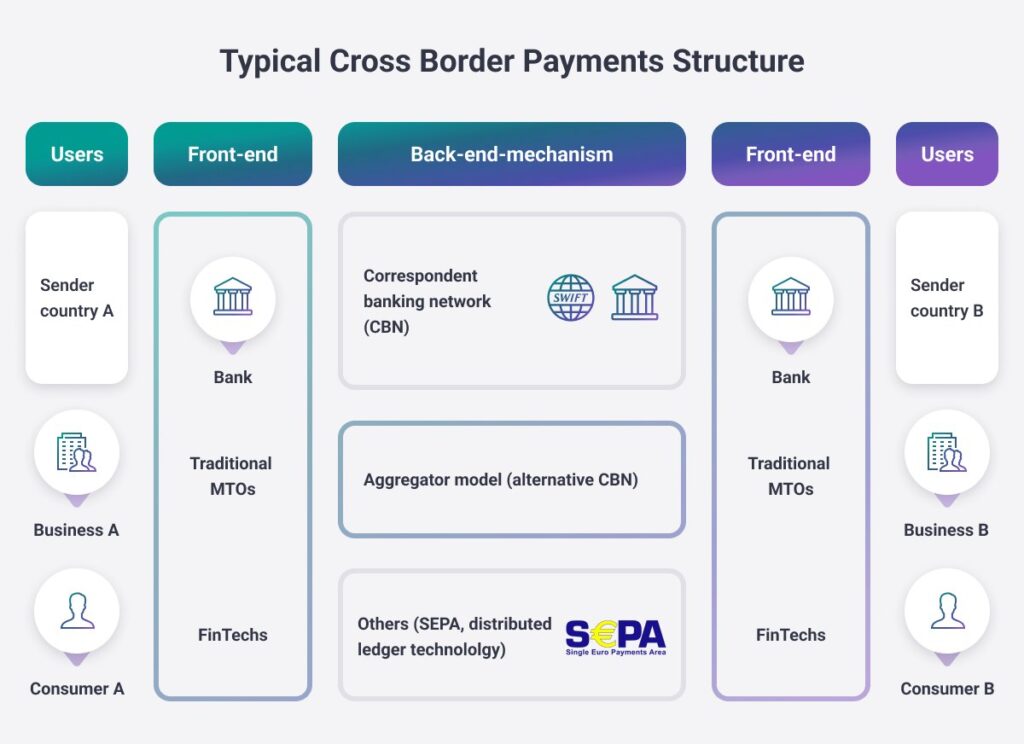
Uruguay is home to a burgeoning fintech ecosystem, with 63 fintech companies operating across various segments, including payment processing, electronic lending, and remittances. Notable players include dLocal, Uruguay’s first fintech unicorn, which facilitates cross-border payments for global merchants such as Amazon, Uber, and Nike.
The presence of these key players underscores the country’s potential as a hub for fintech innovation. The combination of a skilled workforce, robust infrastructure, and access to regional markets through trade agreements like Mercosur has contributed to the growth of Uruguay’s fintech sector.
Collaboration Between Government and Private Sector
The Uruguayan Fintech Chamber, established in 2017, has played a crucial role in fostering collaboration between the government and the private sector. This partnership has led to the development of favorable regulations and a supportive environment for fintech innovation.
The Financial Inclusion Law of 2014, which opened the door to electronic payment solutions, exemplifies the positive impact of this collaboration. By working together, government and private sector stakeholders have created a thriving fintech ecosystem that continues to evolve and adapt to changing market demands.
Challenges Facing Digital Payment Adoption
Despite its advancements in payment innovations, Uruguay faces several challenges in achieving full digitalization. This section explores the obstacles that hinder the widespread adoption of digital payment solutions.
One of the primary challenges is the continued reliance on cash, particularly in rural areas where access to digital payment infrastructure may be limited. Traditional banks also struggle to modernize their systems, which can impede their ability to compete with agile fintech companies.
Additionally, there is a need for greater consumer education regarding digital payment options. Many individuals may be hesitant to adopt new technologies due to concerns about security and privacy. Addressing these challenges is essential for Uruguay to fully realize the benefits of digital payment innovations.
Future Opportunities in Payment Technologies
Looking ahead, Uruguay has numerous opportunities to further enhance its payment technologies and drive innovation. This section discusses potential avenues for growth and development in the payment landscape.
The integration of real-time payment systems, such as QR-code transfers, presents a significant opportunity to enhance efficiency and financial inclusion. These systems can facilitate instant transactions, making it easier for consumers and businesses to engage in digital payments.
Moreover, the adoption of artificial intelligence (AI) and open banking platforms can transform the customer experience and drive growth in the fintech sector. By leveraging data analytics and machine learning, financial institutions can offer personalized services and improve risk management.
As Uruguay continues to embrace emerging technologies, it is well-positioned to maintain its leadership in payment innovations within Latin America.
The Future of Payment Innovations in Uruguay
Embracing Emerging Technologies
Uruguay’s commitment to embracing emerging technologies will be crucial in shaping the future of its payment landscape. By staying at the forefront of innovation, the country can continue to enhance its financial ecosystem and improve the overall consumer experience.
Strengthening Regulatory Frameworks
Strengthening regulatory frameworks will be essential for ensuring the continued growth of payment innovations. By fostering a supportive environment for fintech companies and addressing potential risks, Uruguay can create a sustainable ecosystem that benefits all stakeholders.
Fostering Collaborative Ecosystems
Collaboration between government, private sector entities, and fintech companies will be vital for driving future innovations. By working together, stakeholders can identify new opportunities, address challenges, and create a more inclusive financial landscape.
In conclusion, Uruguay’s payment innovations reflect its commitment to financial inclusion, technological advancement, and economic growth. By addressing existing challenges and leveraging emerging opportunities, Uruguay is well-positioned to continue its journey toward becoming a fully digital economy.

I am Martín Weidemann, a digital transformation consultant and founder of Weidemann.tech. I help businesses adapt to the digital age by optimizing processes and implementing innovative technologies. My goal is to transform businesses to be more efficient and competitive in today’s market.
LinkedIn