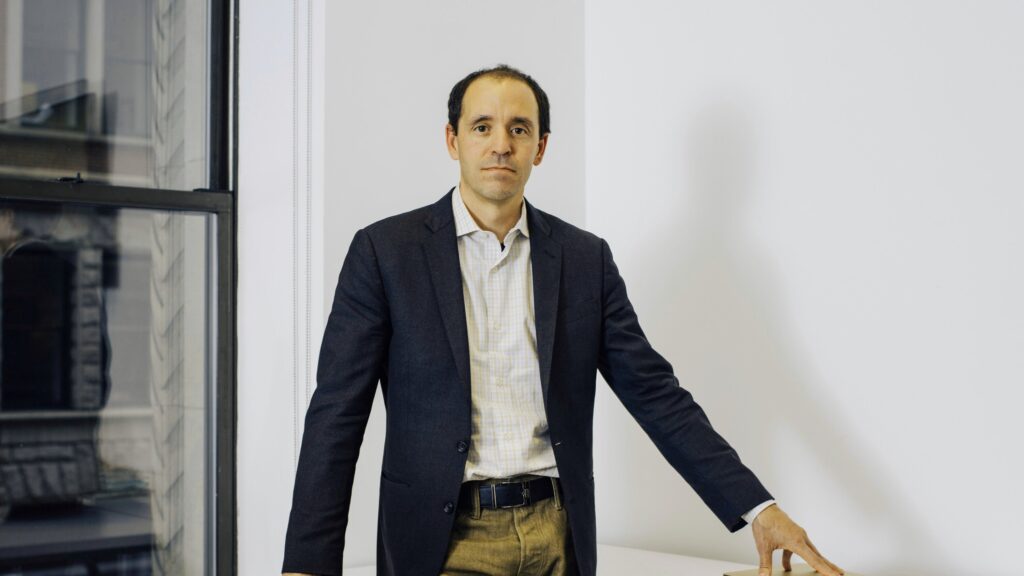
TL;DR: Andrew Tulloch’s Transition from Thinking Machines Lab to Meta
- Andrew Tulloch, co-founder of Thinking Machines Lab, has accepted a position at Meta.
- He reportedly turned down a $1.5 billion offer from Meta to join their AI division.
- Tulloch’s departure highlights the ongoing talent wars in the AI industry.
- Thinking Machines Lab, co-founded with Mira Murati, has achieved a valuation of $12 billion.
- The decision reflects a growing trend of AI professionals prioritizing mission over monetary incentives.
Introduction to Andrew Tulloch and His Career
Andrew Tulloch is a prominent figure in the artificial intelligence landscape, known for his significant contributions to machine learning and AI infrastructure. Born in Perth, Australia, Tulloch’s academic journey began at the University of Sydney, where he graduated with first-class honors in mathematics. He furthered his studies at the University of Cambridge, earning a master’s degree in mathematical statistics and machine learning.
Tulloch’s professional career commenced at Goldman Sachs as a quant strategist, where he applied complex mathematical models to financial systems. He later joined Meta (formerly Facebook) in 2012, where he played a crucial role in developing PyTorch, a widely used machine learning framework. After a stint at OpenAI, where he contributed to the development of advanced AI models, Tulloch co-founded Thinking Machines Lab in 2024 with Mira Murati.
The Rise of Thinking Machines Lab
Thinking Machines Lab emerged as a significant player in the AI startup ecosystem, quickly gaining attention for its innovative approach to AI development. Under the leadership of Tulloch and Murati, the lab focused on creating AI systems that prioritize transparency and adaptability. Within months of its launch, the startup secured over $2 billion in funding, achieving a remarkable valuation of $12 billion, a testament to its potential in the rapidly evolving AI market.
Meta’s Recruitment Strategy
Meta’s aggressive recruitment strategy has been a focal point in the ongoing AI talent wars. Following a failed acquisition attempt of Thinking Machines Lab, CEO Mark Zuckerberg targeted Tulloch with a lucrative offer, reportedly worth up to $1.5 billion over six years. This strategy reflects Meta’s urgent need to bolster its AI capabilities amid increasing competition from other tech giants.
The $1.5 Billion Offer: Details and Implications
The offer extended to Tulloch included a combination of salary, stock options, and performance bonuses, making it one of the most substantial compensation packages in the tech industry. Despite the allure of such a financial incentive, Tulloch ultimately declined the offer, a decision that has sparked discussions about the motivations of top AI talent in today’s market.
Tulloch’s Decision: A Closer Look
Tulloch’s choice to reject the offer from Meta underscores a broader trend among AI professionals who are increasingly valuing mission-driven work over financial gain. His decision reflects a commitment to the vision of Thinking Machines Lab, which aims to create AI systems that serve societal needs rather than merely corporate interests.
“Sometimes the greatest power lies in saying ‘no.’”
Andrew Tulloch
Cultural Dynamics in AI Startups
The culture within AI startups like Thinking Machines Lab plays a crucial role in attracting and retaining talent. Employees are drawn not only by competitive compensation but also by a shared vision and values that resonate with their personal beliefs. This cultural alignment fosters loyalty and commitment, as evidenced by Tulloch’s and his colleagues’ refusal to accept offers from Meta.
The Role of Compensation in Talent Retention
While high compensation packages are a significant factor in attracting talent, they are not the sole determinant of employee retention. Research indicates that factors such as company culture, leadership style, and alignment with personal values can outweigh financial incentives. Tulloch’s experience exemplifies this dynamic, as he prioritized his vision for AI over a lucrative offer.
Comparative Analysis of AI Talent Wars
AI Startups vs. Established Tech Giants
The competition for AI talent has intensified, with established tech giants like Meta and Google aggressively pursuing top talent from startups. However, many professionals are choosing to remain with their current companies, valuing the innovative and mission-driven environments that startups provide.
Long-term Vision vs. Immediate Gains
The decision-making process for AI professionals often involves weighing long-term vision against immediate financial gains. Many are opting to invest in their current roles, believing that their contributions to startups will yield greater rewards in the future than accepting short-term financial incentives from larger corporations.
The Future of AI Innovation and Leadership
As the AI landscape continues to evolve, the leadership styles and cultural dynamics within organizations will play a pivotal role in shaping the future of innovation. Leaders who prioritize mission-driven work and foster a collaborative culture are likely to attract and retain top talent in this competitive field.
Conclusion: Lessons from Tulloch’s Journey
Andrew Tulloch’s journey from a leading AI researcher to co-founder of Thinking Machines Lab illustrates the complex interplay between financial incentives and personal values in the tech industry. His decision to reject a substantial offer from Meta serves as a reminder that many professionals are seeking more than just monetary rewards; they are looking for purpose and the opportunity to make a meaningful impact in the world of AI.
Andrew Tulloch’s Transition: A New Chapter at Meta
The Journey of Andrew Tulloch
Tulloch’s transition to Meta marks a significant chapter in his career, as he returns to a company where he previously made substantial contributions. His expertise in AI and machine learning will undoubtedly play a crucial role in Meta’s ongoing efforts to enhance its AI capabilities.
The Impact of Tulloch’s Departure on Thinking Machines Lab
While Tulloch’s departure is a loss for Thinking Machines Lab, it also highlights the startup’s resilience and the strength of its mission. The lab is poised to continue its innovative work in AI, driven by the vision established by Tulloch and Murati. As the AI landscape evolves, the lessons learned from Tulloch’s journey will resonate throughout the industry, emphasizing the importance of aligning personal values with professional pursuits.

I am Martín Weidemann, a digital transformation consultant and founder of Weidemann.tech. I help businesses adapt to the digital age by optimizing processes and implementing innovative technologies. My goal is to transform businesses to be more efficient and competitive in today’s market.
LinkedIn