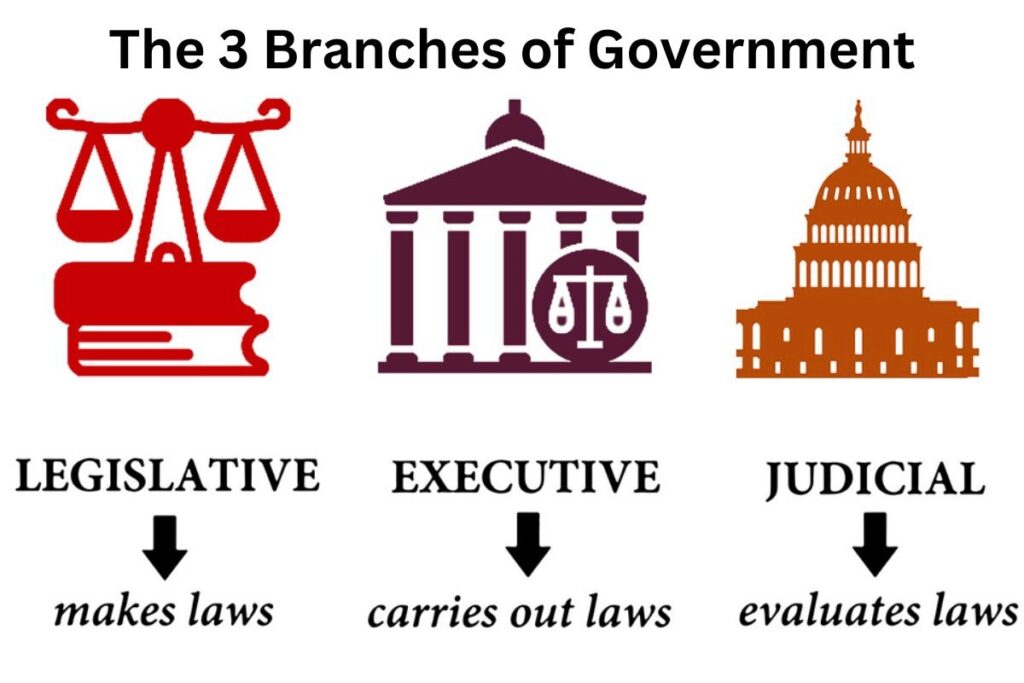
TL;DR: Overview of U.S. Government Entities and Their Functions
- NASA plays a crucial role in national security.
- The Small Business Administration supports economic growth.
- Legal cases shape government policy and operations.
- Trade policies like the America First Trade Policy and USMCA have significant implications.
- AI is increasingly influencing government functions and decision-making.
Introduction to Key Government Entities
The U.S. government is composed of various entities, each with distinct roles and responsibilities. Understanding these entities is essential for grasping how policies are formulated and implemented. From federal agencies to regulatory bodies, each plays a pivotal role in governance and public service.
The Role of NASA in National Security
NASA, primarily known for its space exploration missions, also contributes significantly to national security. Its research and technological advancements support defense initiatives and enhance the nation’s capabilities in monitoring and responding to global threats.
Small Business Administration: Supporting Economic Growth
The Small Business Administration (SBA) is dedicated to fostering economic growth by providing support to small businesses. This includes access to funding, resources for business development, and advocacy for policies that benefit small enterprises, which are vital to the U.S. economy.
Legal Cases Impacting Government Policy
Am. Ass’n of Univ. Professors v. Rubio
This case highlights the legal challenges faced by academic institutions regarding funding and policy decisions. It underscores the importance of legal frameworks in shaping educational policies.
Am/ Ass’n of People with Disabilities v. Dudek
This case addresses the rights of individuals with disabilities and the government’s obligation to ensure equitable access to services. It reflects the ongoing legal battles that influence policy and advocacy for marginalized groups.
Trade Policies and Their Implications
America First Trade Policy
The America First Trade Policy emphasizes prioritizing U.S. interests in international trade agreements. This approach aims to protect American jobs and industries by renegotiating trade deals that are perceived as unfavorable.
USMCA Overview
The United States-Mexico-Canada Agreement (USMCA) replaces NAFTA and aims to create a more balanced trade environment between the three nations. It includes provisions that address modern trade issues, such as digital commerce and labor rights.
The Influence of Artificial Intelligence in Government
Artificial Intelligence Education Task Force
The Artificial Intelligence Education Task Force is tasked with integrating AI into educational curricula, ensuring that future generations are equipped with the necessary skills to thrive in a technology-driven economy.
Applications of AI in Federal Agencies
Federal agencies are increasingly adopting AI technologies to enhance efficiency and decision-making processes. These applications range from data analysis to improving public services, demonstrating AI’s transformative potential in government operations.
Departmental Roles in National Governance
Department of Commerce
The Department of Commerce plays a crucial role in promoting economic growth, job creation, and sustainable development. It oversees various agencies that regulate trade, technology, and economic policy.
Department of Justice
The Department of Justice is responsible for enforcing the law and ensuring fair administration of justice. It addresses issues ranging from civil rights to criminal prosecutions, impacting various aspects of governance.
Executive Orders and Their Impact
Overview of Executive Orders
Executive Orders are directives issued by the President to manage the operations of the federal government. They can have significant implications for policy and governance, shaping the implementation of laws.
Key Executive Orders: EO 13166 and EO 14188
- EO 13166 focuses on improving access to services for individuals with limited English proficiency, emphasizing inclusivity in government services.
- EO 14188 addresses the need for enhanced cybersecurity measures across federal agencies, reflecting the growing importance of digital security.
The Importance of Regulatory Agencies
Federal Trade Commission
The Federal Trade Commission (FTC) is tasked with protecting consumers and promoting competition. It plays a vital role in regulating business practices and preventing monopolistic behaviors.
CFTC and Its Role
The Commodity Futures Trading Commission (CFTC) oversees the derivatives markets, ensuring transparency and protecting market participants from fraud and manipulation.
Collaboration Between Government and Academia
Partnerships with Universities
Collaboration between government entities and academic institutions fosters innovation and research. These partnerships often lead to advancements in technology and policy development.
Research Initiatives and Funding
Government funding for research initiatives supports a wide range of projects aimed at addressing societal challenges. This investment in research is crucial for driving progress and informed policymaking.
Conclusion: Navigating the Future of Policy and Innovation
The Role of Government in Shaping Technological Advancement
As technology continues to evolve, the government plays a critical role in shaping policies that foster innovation while ensuring public safety and ethical standards.
Collaboration Between Public and Private Sectors
The synergy between public and private sectors is essential for addressing complex challenges. Collaborative efforts can lead to more effective solutions and drive economic growth.
The Importance of Inclusivity in Policy Making
Inclusivity in policy-making ensures that diverse perspectives are considered, leading to more equitable and effective governance. This approach is vital for addressing the needs of all citizens and fostering a just society.

I am Martín Weidemann, a digital transformation consultant and founder of Weidemann.tech. I help businesses adapt to the digital age by optimizing processes and implementing innovative technologies. My goal is to transform businesses to be more efficient and competitive in today’s market.
LinkedIn