TL;DR: Overview of U.S. Government Entities and Functions
- The U.S. government comprises various entities, each with specific roles.
- The Executive Branch oversees federal administration and policy implementation.
- The Department of Defense ensures national security and military operations.
- The Department of Homeland Security focuses on domestic safety and emergency response.
- Regulatory bodies influence business practices and economic policies.
Introduction to Key Government Entities
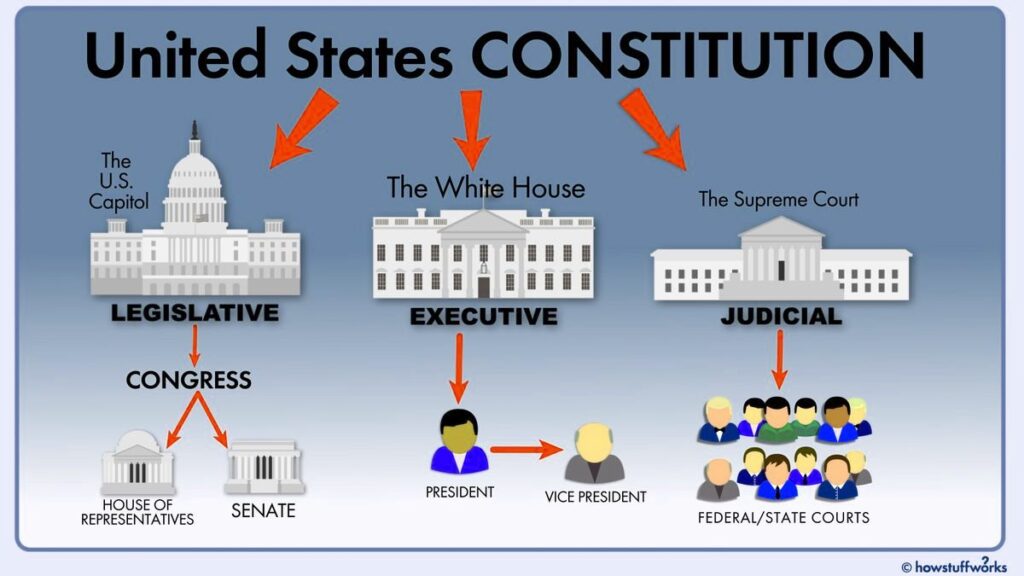
The U.S. government is a complex system composed of various entities that work together to maintain order, provide services, and protect the rights of citizens. Understanding these entities and their functions is crucial for grasping how governance operates in the United States.
Roles and Responsibilities of the Executive Branch
The Executive Branch is responsible for enforcing laws and administering the federal government. It is led by the President, who acts as the head of state and government. This branch also includes the Vice President and the Cabinet, which consists of the heads of federal departments. Their collective roles encompass policy formulation, national defense, and international relations.
Understanding the Department of Defense
Structure and Organization
The Department of Defense (DoD) is structured into various branches, including the Army, Navy, Air Force, and Marine Corps. Each branch has its own command structure and operational focus, but they work collaboratively to ensure national security.
Key Functions and Responsibilities
The DoD is tasked with protecting the United States from external threats, conducting military operations, and supporting international peacekeeping efforts. It also plays a critical role in disaster response and humanitarian assistance.
The Importance of the Department of Homeland Security
Mission and Objectives
The Department of Homeland Security (DHS) was established to safeguard the nation from various threats, including terrorism, natural disasters, and cyberattacks. Its mission is to enhance the security of the U.S. while ensuring the rights and freedoms of its citizens.
Major Divisions and Their Roles
DHS comprises several divisions, including the Federal Emergency Management Agency (FEMA), the Transportation Security Administration (TSA), and the U.S. Customs and Border Protection (CBP). Each division has specific responsibilities, from disaster response to border security.
The Role of the Attorney General
Legal Responsibilities
The Attorney General serves as the chief legal advisor to the government and oversees the Department of Justice. This role includes enforcing federal laws, representing the U.S. in legal matters, and ensuring fair and impartial administration of justice.
Impact on National Policy
The Attorney General influences national policy through legal interpretations and enforcement actions. This position plays a pivotal role in shaping issues such as civil rights, immigration, and criminal justice reform.
Federal Agencies and Their Functions
Overview of Major Agencies
Federal agencies, such as the Environmental Protection Agency (EPA) and the Federal Trade Commission (FTC), are established to implement specific laws and regulations. Each agency has a defined scope of work and operates independently within the framework of the federal government.
Inter-agency Collaboration
Collaboration among federal agencies is essential for addressing complex issues that span multiple domains, such as public health and environmental protection. This cooperation enhances the effectiveness of government responses to national challenges.
The Influence of Regulatory Bodies
Key Regulatory Agencies
Regulatory bodies, including the Securities and Exchange Commission (SEC) and the Federal Communications Commission (FCC), oversee various sectors of the economy. They establish rules and regulations to ensure fair practices and protect consumers.
Impact on Business and Economy
These agencies play a crucial role in maintaining market integrity and fostering competition. Their regulations can significantly influence business operations and economic stability.
The Significance of Legislative Frameworks
Key Legislation and Its Impact
Legislation, such as the Social Security Act and the Affordable Care Act, shapes public policy and affects millions of Americans. Understanding these laws is essential for comprehending the government’s role in citizens’ lives.
Role of the Executive in Legislation
The Executive Branch plays a vital role in the legislative process by proposing bills, issuing vetoes, and implementing laws. This interaction between branches ensures a system of checks and balances.
Public Health and Safety Oversight
Role of the Department of Health and Human Services
The Department of Health and Human Services (HHS) oversees public health, welfare programs, and health policy. It is responsible for ensuring access to healthcare and protecting public health through various initiatives.
Impact of Health Policies on Society
Health policies developed by HHS can have far-reaching effects on the population, influencing everything from healthcare access to disease prevention strategies.
Conclusion: The Interconnectedness of Government Entities
The various entities within the U.S. government are interconnected, working collaboratively to address the needs and challenges of the nation. Understanding their roles and responsibilities is essential for navigating the complexities of governance.
Conclusion: Navigating the Complex Landscape of Governance and Advocacy
The Role of Advocacy in Shaping Policy
Advocacy groups play a significant role in influencing policy decisions by representing diverse interests and perspectives. Their efforts can lead to meaningful changes in legislation and public policy.
The Importance of Collaboration Among Entities
Collaboration among government entities, non-profits, and the private sector is crucial for effective governance. This cooperation enhances resource allocation and improves outcomes for citizens.
Future Directions for Governance and Public Engagement
As society evolves, so too must the approaches to governance and public engagement. Emphasizing transparency, accountability, and citizen participation will be vital in shaping future policies and ensuring that government remains responsive to the needs of the people.